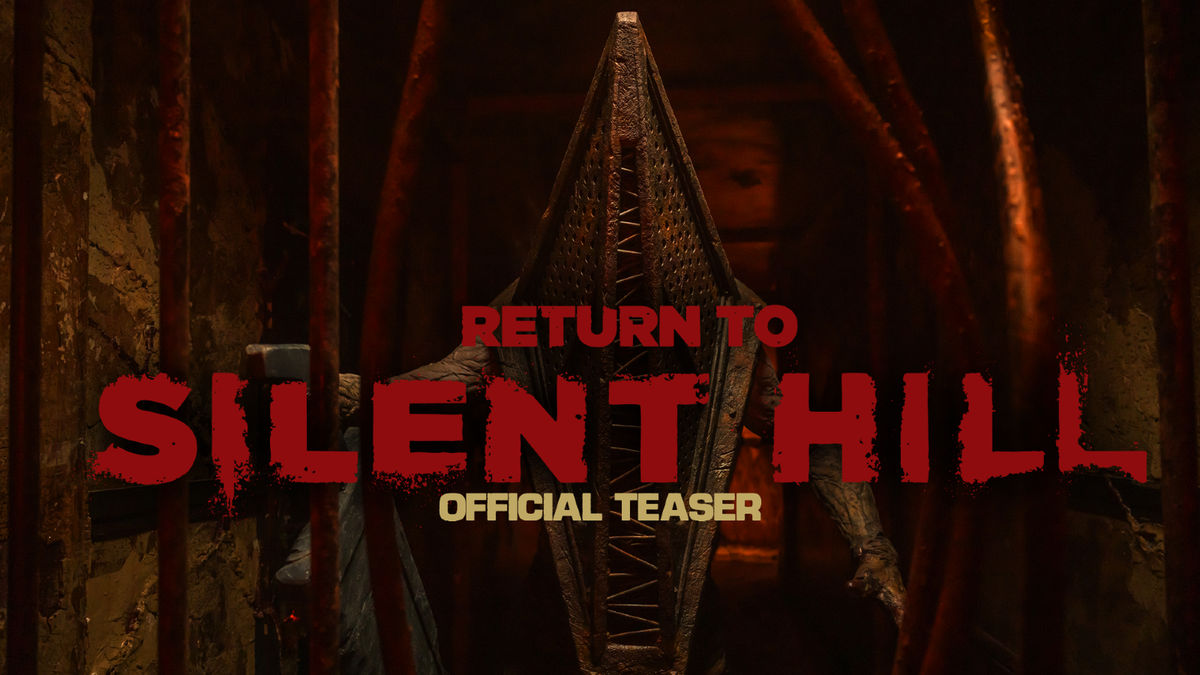
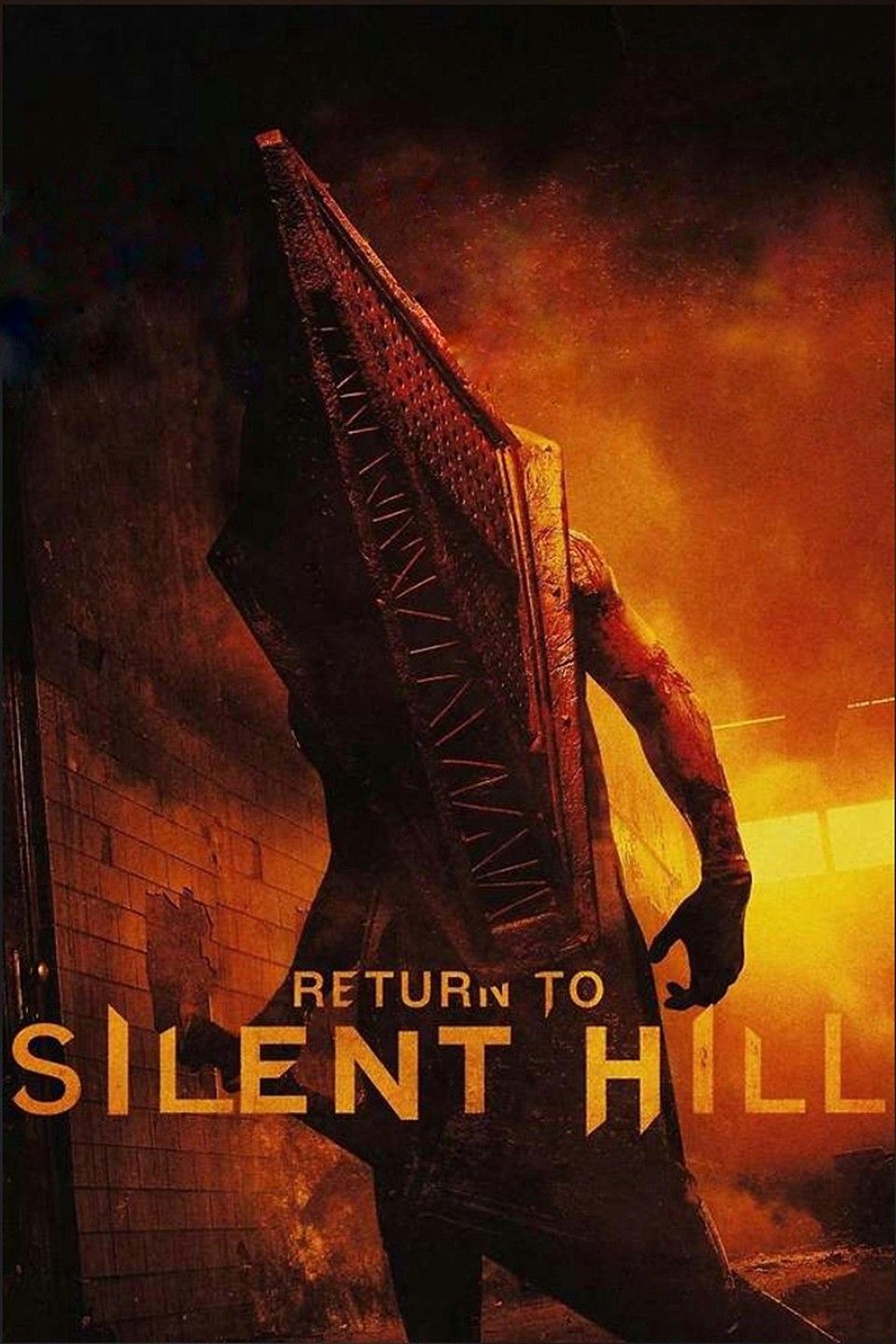
There’s a special kind of dread that comes with revisiting Silent Hill. Not the monster kind — the expectation kind. This is a franchise weighed down by memory: a cult classic game series, a divisive 2006 film, and years of failed attempts to capture psychological horror without turning it into loud, hollow spectacle. Return to Silent Hill doesn’t just step into fog; it steps into skepticism.
And the tension while watching isn’t about what’s lurking in the dark. It’s about whether the film understands that Silent Hill was never about what you see — it’s about what refuses to leave you alone.
Quick facts
Return to Silent Hill is a psychological horror film directed by Christophe Gans, returning to the world he first brought to cinema nearly two decades earlier. Inspired primarily by Silent Hill 2, the film stars a new central cast, focusing on an emotionally fractured protagonist rather than ensemble survival horror. The runtime sits comfortably under two hours, signaling restraint rather than indulgence — a notable choice for a genre that often confuses confusion with depth.
Plot overview (no spoilers)
The story follows James, a man pulled back to Silent Hill after receiving a letter from someone he believes to be lost forever. The town, as expected, is not abandoned — just selectively present. Reality fractures. Time bends. Guilt leaks into architecture.
Rather than positioning Silent Hill as a place you stumble into by accident, the film frames it as something you’re summoned to. The town doesn’t hunt randomly. It responds. It reflects. And what it reflects is deeply personal.
The central conflict isn’t escape. It’s confrontation — with memory, with responsibility, and with the versions of ourselves we’d rather keep buried.
Analysis & critique
Story & pacing
This is a quieter Silent Hill than many might expect — and that’s exactly why it mostly works. The story resists constant escalation, opting instead for psychological pressure. Scenes stretch uncomfortably long. Dialogue is sparse. Information is withheld not to confuse, but to let unease ferment.
The pacing is deliberate, sometimes to a fault. The first act leans heavily into atmosphere, delaying narrative clarity longer than some viewers will tolerate. But once the emotional throughline becomes clear, the film locks into a rhythm that feels intentional rather than meandering.
Where it falters slightly is momentum. A few sequences feel more like homage than necessity, existing to evoke familiarity rather than push character or theme forward. The film is strongest when it trusts its emotional core — weakest when it remembers it’s part of a franchise.
Performances
The central performance carries the film — and thankfully, it understands restraint. James is played not as a screaming victim or stoic action lead, but as someone emotionally anesthetized. Grief here isn’t loud. It’s hollow. That choice grounds the film’s psychological horror far more effectively than overt panic ever could.
Supporting performances are intentionally distant. Characters feel less like people and more like fragments — incomplete, symbolic, sometimes unsettlingly calm. This works within the logic of Silent Hill, but it also creates emotional distance. You don’t connect to most characters; you observe them.
That’s not a flaw so much as a risk. The film bets that discomfort is more valuable than empathy — and mostly wins that bet.
Visual style & cinematography
Visually, Return to Silent Hill is disciplined. The fog is back, but it’s not used as a gimmick. Instead of hiding limitations, it becomes part of the town’s emotional texture — obscuring not just space, but certainty.
The production design leans into decay as metaphor rather than spectacle. Rust, rot, and repetition dominate the frame. The camera avoids frantic movement, favoring slow pushes and static compositions that let dread seep in rather than jump out.
When the film deploys iconic imagery — yes, including familiar figures — it does so sparingly. The restraint matters. These moments feel earned rather than obligatory, though a few visual callbacks flirt dangerously close to fan service.
Music & sound
Sound design does most of the heavy lifting here. Industrial echoes, distant scraping, and low-frequency rumbles create a sense of constant intrusion. Silence is used aggressively — cutting audio entirely at moments where the audience expects guidance.
The score is minimal, uncomfortable, and rarely melodic. It doesn’t try to cue fear. It destabilizes it. When music does swell, it feels invasive rather than emotional — a smart choice for a story rooted in psychological breakdown rather than external threat.
Themes & meaning
This film understands what many horror adaptations miss: Silent Hill is about guilt, not monsters. The town is not evil — it’s responsive. It punishes not through cruelty, but through exposure.
Return to Silent Hill explores how people rewrite memory to survive loss, and how denial can be more corrosive than grief itself. The horror doesn’t come from being judged, but from being seen too clearly.
Where the film succeeds is in refusing redemption as an easy endpoint. It doesn’t argue that confronting guilt heals you. It suggests that sometimes, confrontation is simply unavoidable — and survival doesn’t guarantee peace.
Strengths and weaknesses
The film’s greatest strength is tonal confidence. It doesn’t chase modern horror trends. It doesn’t over-explain its mythology. Compared to louder, lore-heavy genre entries, this one trusts mood and implication.
Its weakness lies in accessibility. This is not a welcoming film. It asks patience. It demands interpretation. Some narrative threads remain intentionally unresolved, which will frustrate viewers looking for clarity or closure.
But Silent Hill has never been about answers. It’s about resonance — and this film understands that.
Who is this movie for?
This movie is for viewers who appreciate slow-burn psychological horror and thematic ambiguity. If you value atmosphere, symbolism, and emotional unease over jump scares and body counts, this will likely stay with you.
If you want a conventional horror narrative with clear rules and escalating action, this may feel distant or even cold. The question “Is Return to Silent Hill worth watching?” depends entirely on whether you’re willing to let discomfort linger without explanation.
Final verdict
Return to Silent Hill doesn’t try to modernize the franchise. It doesn’t dilute it. Instead, it narrows its focus — and that choice gives the film weight.
As a review of Return to Silent Hill, the takeaway is clear: this is a restrained, psychologically grounded return that respects the spirit of its source more than the expectations of mass appeal.
Some places don’t trap you physically.
They wait until you’re ready to walk back in.