Opening
Watching Avatar: The Way of Water is a strange experience. Not because it’s confusing, or overwhelming, or even indulgent—though it is all three at times—but because you can feel James Cameron daring you to resist it. The film doesn’t rush to impress you. It doesn’t explain why it matters. It simply exists, confidently, patiently, as if saying: sit down, slow down, and let me show you something again.
The real tension isn’t whether the technology works. It does. The real question is harsher and more interesting: twelve years later, is this sequel an essential continuation—or a very expensive reminder of why spectacle alone isn’t enough?
Quick facts
Released in 2022, Avatar: The Way of Water is a sci-fi epic directed by James Cameron, returning to Pandora more than a decade after the original film reshaped blockbuster expectations. The cast includes Sam Worthington, Zoe Saldaña, Sigourney Weaver, Stephen Lang, and Kate Winslet, with the story expanding into new regions of Pandora’s ecosystem. At just over three hours, the film commits fully to scale, immersion, and Cameron’s belief that patience is still a virtue in modern cinema.
Plot overview (no spoilers)
Set years after the events of Avatar (2009), the film follows Jake Sully and Neytiri as they navigate life not just as warriors, but as parents. Pandora remains under threat, and human forces have returned—more persistent, more organized, and less interested in coexistence than ever.
As danger closes in, the Sully family is forced to leave familiar territory and seek refuge among the Metkayina, a Na’vi clan adapted to life in and around the ocean. This shift in environment isn’t cosmetic; it fundamentally alters the story’s rhythm and priorities. Survival is no longer just about fighting—it’s about adaptation, belonging, and learning to live within a system rather than dominate it.
The central conflict blends external invasion with internal strain, as generational differences, cultural friction, and the cost of leadership begin to surface.
Analysis & critique
Story & pacing
Let’s be honest: The Way of Water is not a tight movie. It’s deliberately expansive, sometimes frustratingly so. Cameron isn’t interested in trimming narrative fat if it means sacrificing immersion. Large stretches of the film are devoted to daily life—learning customs, swimming, bonding, existing.
For some viewers, this will feel indulgent. For others, it’s the point.
The story itself is straightforward, even conservative. Once again, humans represent unchecked exploitation, while Pandora embodies balance and interconnectedness. The sequel shifts focus slightly, framing the conflict through family rather than ideology, but the moral alignment remains clear and unambiguous.
Pacing is where the film will divide audiences most sharply. The first two acts unfold slowly, almost stubbornly. Cameron insists you earn the spectacle by living in this world first. The final act delivers intensity and scale, but by then, you’ve either surrendered to the film’s rhythm—or you’ve already checked out.
This is a movie that dares you to be patient in an era that rarely rewards it.
Performances
Sam Worthington is noticeably more comfortable this time around. His Jake Sully has evolved from outsider to leader to father, and that shift gives the performance more grounding. He’s still not the most dynamic screen presence, but he no longer feels like a blank slate.
Zoe Saldaña remains the emotional spine of the film. Her portrayal of Neytiri carries grief, rage, and devotion with raw physicality. When the movie allows her space, it finds its most honest emotional moments.
The younger cast members—playing the next generation—are a mixed bag. Some deliver natural, restrained performances that add texture and vulnerability. Others feel underwritten, defined more by function than personality. Sigourney Weaver’s unconventional role stands out as one of the film’s more intriguing choices, adding quiet mystery rather than exposition.
Stephen Lang returns with familiar intensity. His character doesn’t deepen much thematically, but his presence reinforces the film’s ongoing refusal to fully let go of its original conflict.
Visual style & cinematography
This is where The Way of Water justifies its existence.
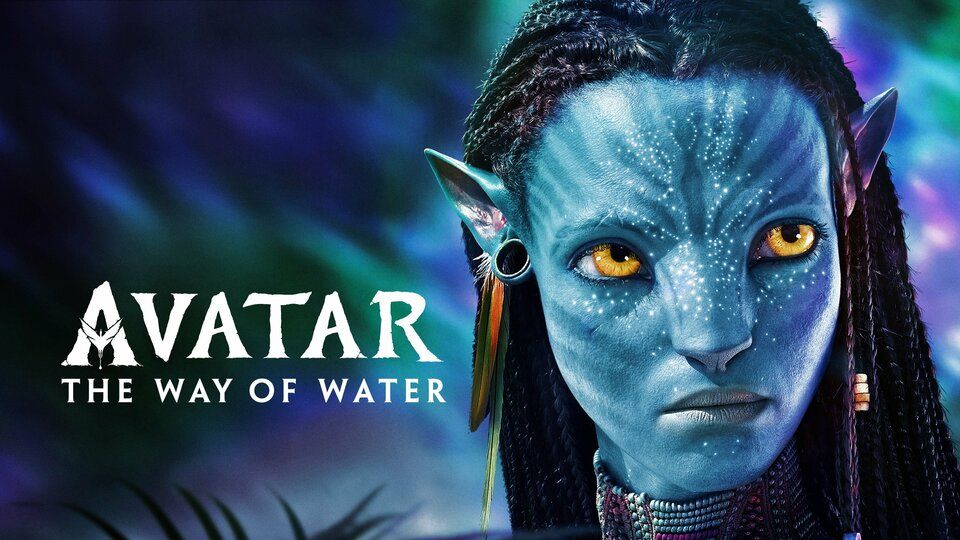
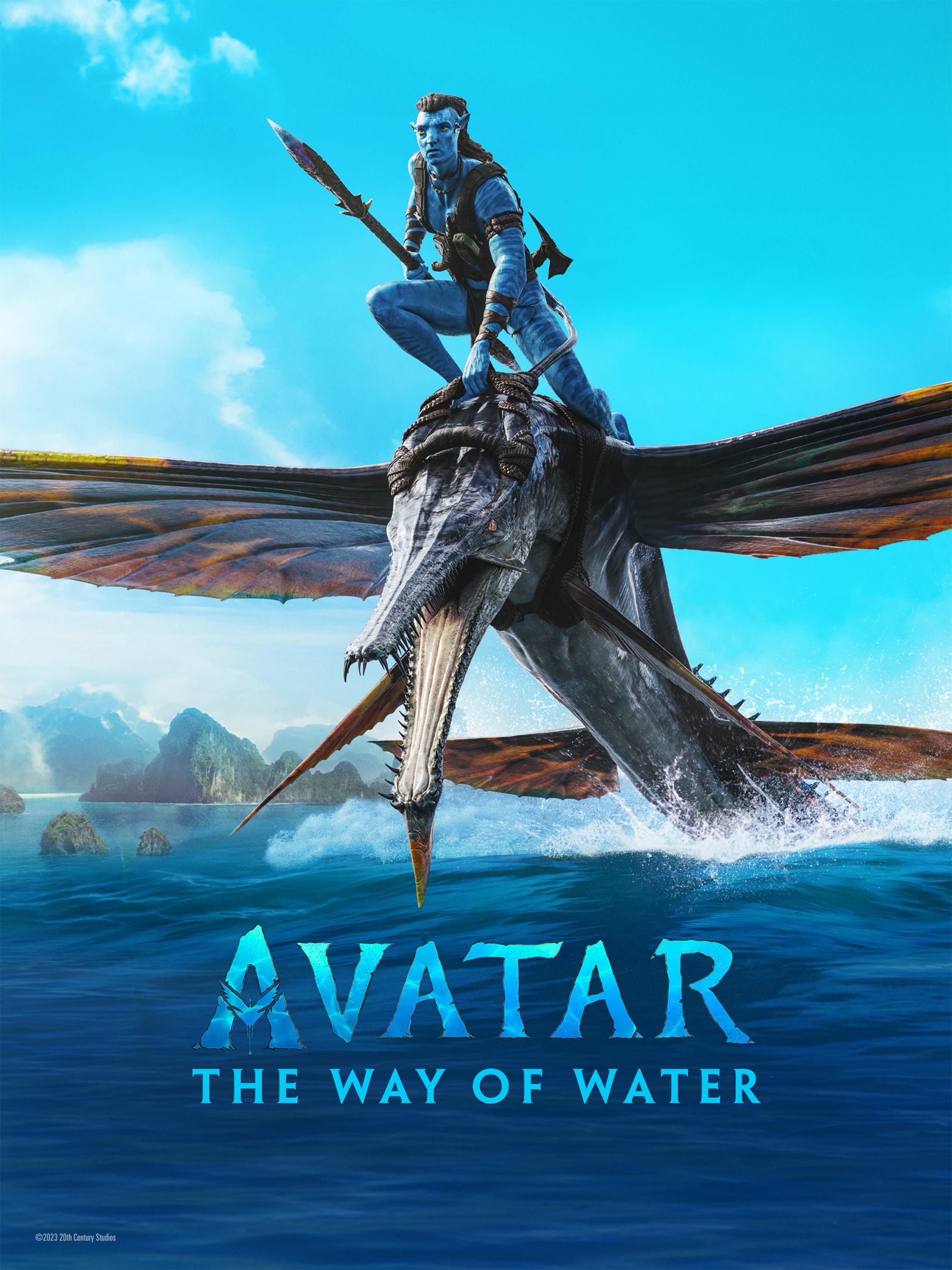
The oceanic world-building is staggering—not just in detail, but in coherence. The water feels heavy, alive, and physically present. Underwater sequences aren’t treated as set pieces; they’re treated as environments. Movement, light, and scale work together in ways that feel less like CGI spectacle and more like documentary-level immersion.
Cameron’s visual language is confident and disciplined. Shots linger. Camera movement is purposeful. Action scenes remain readable even at their most chaotic. The film doesn’t cut to create excitement—it composes it.
Yes, it’s beautiful. But more importantly, it’s intentional. The visuals aren’t decoration; they’re the primary storytelling tool.
Music & sound
Simon Franglen’s score echoes the emotional sweep of James Horner’s original work without trying to replicate it beat-for-beat. The music leans heavily on atmosphere, reinforcing awe and melancholy more than adrenaline.
Sound design is exceptional. Water muffles, distorts, and reshapes every interaction. Creatures communicate through texture and tone rather than volume. Silence is used strategically, allowing scenes to breathe rather than pushing emotional cues onto the audience.
This is a film that understands that immersion is as much about what you hear as what you see.
Themes & meaning
At its core, The Way of Water is about inheritance—cultural, environmental, and emotional. It asks what happens when ideals are passed down rather than chosen, and whether survival requires resistance or adaptation.
The film also doubles down on environmental themes, this time with sharper imagery and less metaphorical distance. Exploitation isn’t abstract here; it’s procedural, industrial, and disturbingly efficient.
That said, Cameron’s worldview remains earnest to a fault. The film doesn’t interrogate its moral framework—it reinforces it. Nuance is sacrificed for clarity, and villains are defined more by function than complexity.
The message lands, but it doesn’t surprise.
Strengths and weaknesses
The film’s greatest strength is its conviction. The Way of Water believes in immersion, sincerity, and patience at a time when blockbuster cinema often treats those as liabilities. Its world-building is unmatched, its visual storytelling uncompromising.
Its weaknesses are narrative. The plot retreads familiar ground, character arcs sometimes feel repetitive, and the runtime tests even the most generous viewer. Compared to more narratively daring sci-fi films, it feels emotionally rich but conceptually safe.
It’s not trying to reinvent storytelling. It’s trying to perfect experience.
Who is this movie for?
If you value cinematic immersion, world-building, and visual ambition, Avatar: The Way of Water is absolutely worth watching—ideally in a premium theater setting.
If you prioritize sharp dialogue, complex villains, or lean storytelling, this may feel bloated and overly sincere. And if the first Avatar left you cold, this sequel is unlikely to convert you.
Final verdict
The honest review of Avatar: The Way of Water is this: it’s a film that commits fully to its own philosophy, for better and worse. It’s long, patient, visually overwhelming, and emotionally earnest. It doesn’t chase trends—it ignores them.
Is Avatar: The Way of Water worth watching?
Yes—if you’re willing to meet it on its terms and let the experience unfold rather than demand constant stimulation.
Score: 8.5/10
In a cinematic landscape obsessed with speed, The Way of Water makes a risky bet: that slowing down can still feel like moving forward.
Avatar Timeline (click each entry to view details):
- 🌍 2009 → Avatar – Part 1
- 🌋 2025 → Avatar: Fire and Ash