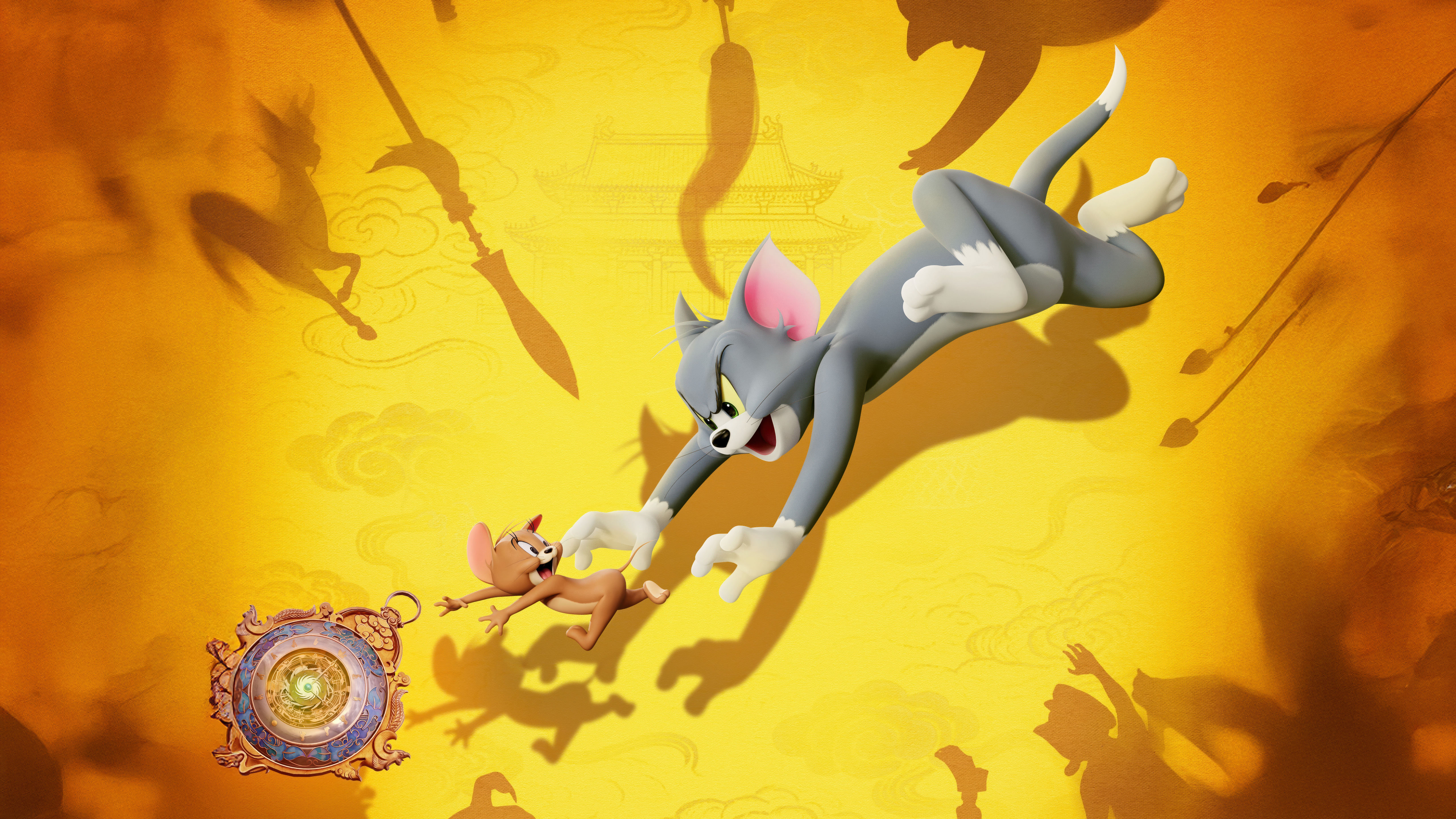
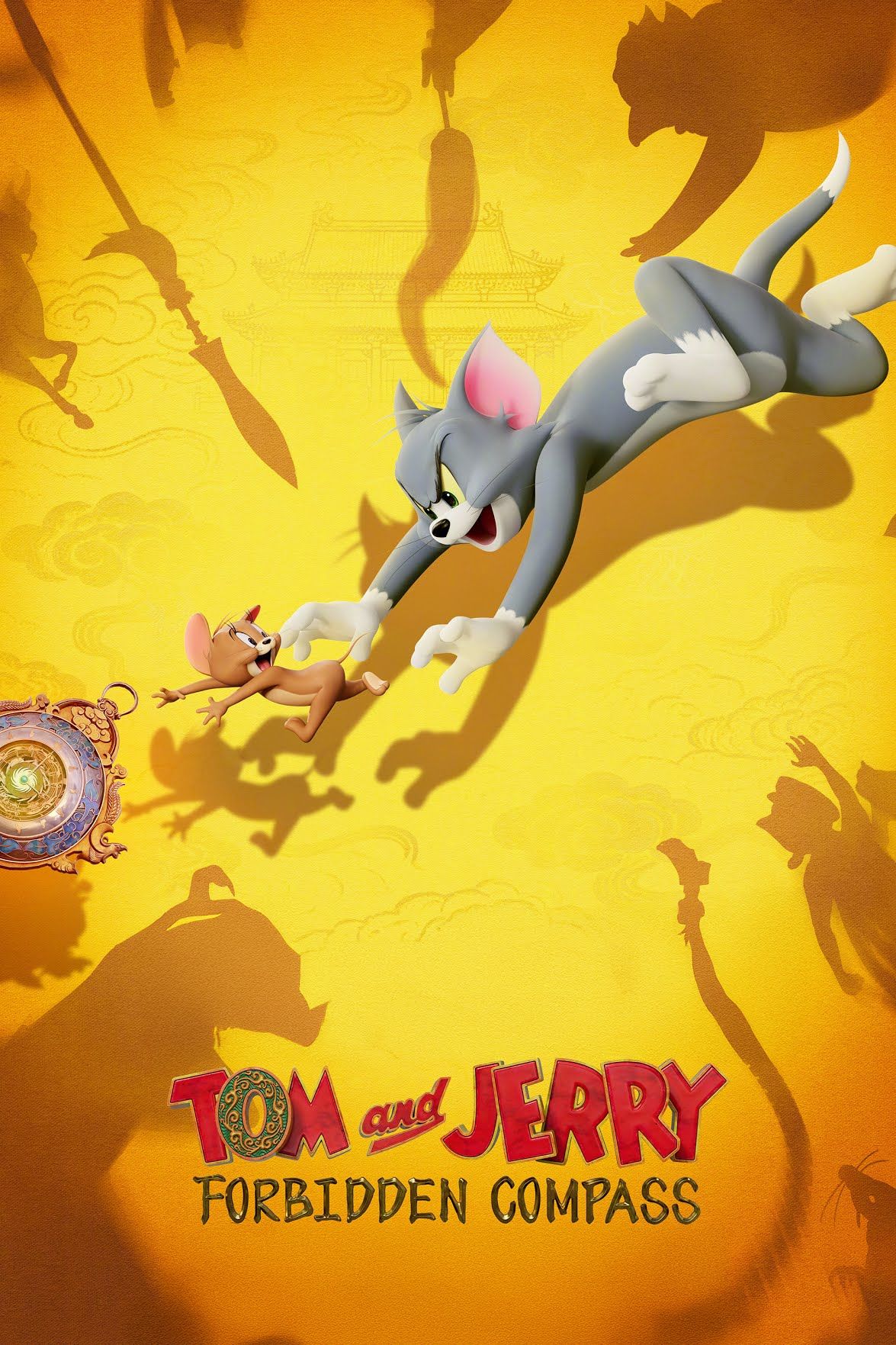
There’s a particular kind of skepticism that hits when a studio announces another Tom and Jerry movie. Not curiosity. Not nostalgia. Just a quiet question: why this one? Because Tom and Jerry don’t need lore. They don’t need a cinematic universe. They barely need dialogue. They need timing, cruelty with charm, and a clear understanding of why people laughed at them in the first place.
Tom and Jerry: Forbidden Compass clearly wants to be more than a string of gags. It wants to be an adventure. A myth. A story with stakes. And the real tension while watching isn’t between the cat and the mouse — it’s between the film’s ambition and its understanding of its own characters.
Quick facts
Tom and Jerry: Forbidden Compass is an animated family adventure-comedy that reimagines the classic Hanna-Barbera duo within a fantasy framework. Directed by a new creative team aiming to modernize the franchise, the film blends slapstick comedy with quest-driven storytelling. Tom and Jerry remain largely nonverbal, while a supporting cast of human and creature characters provide exposition and emotional framing. The runtime sits just over 90 minutes — short enough to keep kids engaged, but long enough to risk overstaying its welcome if the concept doesn’t hold.
Plot overview (no spoilers)
The film introduces a mysterious artifact known as the Forbidden Compass — a relic said to point not to locations, but to desires. When the compass falls into the wrong hands, it threatens to destabilize the fragile balance between several fantastical realms.
Tom, driven by ego and opportunity, gets tangled in the mess first. Jerry, as usual, follows — partly out of self-preservation, partly because chaos seems to orbit him naturally. Their chase spirals into a larger journey involving enchanted landscapes, eccentric allies, and an antagonist who believes control is better than chaos.
The film frames their rivalry not just as a gag engine, but as a relationship that — inconveniently — the world seems to rely on.
Analysis & critique
Story & pacing
This is where Forbidden Compass makes its boldest choice: it treats Tom and Jerry as characters inside a story, not just mechanisms for violence-based comedy. There’s a clear narrative arc, a defined villain, and an attempt at thematic cohesion around fate, desire, and balance.
Sometimes, this works. The quest structure gives momentum, and the film rarely feels directionless. When the story uses Tom and Jerry’s rivalry as a metaphor — order versus chaos, control versus freedom — it adds a surprising layer of texture.
But just as often, the story gets in its own way. Tom and Jerry are funniest when the world bends around them, not when they’re bending to fit the world. Some plot beats feel overly explained, as if the film doesn’t trust visual storytelling to carry meaning. For a duo famous for silent comedy, that’s a strange lack of confidence.
The pacing is mostly tight, though the middle act sags slightly under the weight of world-building that doesn’t fully pay off.
Performances
Since Tom and Jerry themselves remain mostly nonverbal, performance here comes down to physical animation and timing — and that’s where the film succeeds most consistently. Jerry’s expressiveness is sharp and precise, and Tom’s frustration is animated with just enough exaggeration to feel familiar without becoming stale.
The supporting voice cast is more uneven. Some characters add charm and energy, while others feel like exposition delivery systems with personalities stapled on afterward. No performance is outright bad, but very few are memorable.
The smartest decision the film makes is not letting any human character overshadow the duo. Tom and Jerry remain the center of gravity — even when the script briefly forgets why that matters.
Visual style & cinematography
Visually, Forbidden Compass is polished and colorful, leaning into a storybook fantasy aesthetic rather than realism. The environments are imaginative — floating ruins, shifting forests, mechanical sanctuaries — and the animation is clean without being sterile.
Where the visuals truly shine is in motion. Chase sequences are fluid, spatially coherent, and often inventive. The camera understands slapstick rhythm, allowing jokes to land through movement rather than cuts.
That said, the character designs for new additions are hit-or-miss. Some feel thoughtfully integrated into the world, while others look like they wandered in from a different movie entirely. The film looks good, but not always unified.
Music & sound
The score plays it safe. It supports the action, underlines emotion, and stays out of the way — but rarely surprises. Musical cues often signal jokes a half-second too early, softening their impact.
Sound design, however, is more confident. Classic slapstick effects are updated without losing their punch, and moments of silence are used effectively. The film understands that sometimes the absence of sound is funnier than any orchestral swell.
Themes & meaning
The central theme — that chaos and order need each other — is a natural fit for Tom and Jerry. The film argues that their endless conflict isn’t a flaw in the system, but the system itself. That’s a smart idea, and when the movie leans into it, it feels earned.
Where it falters is in resolution. The message is delivered clearly, cleanly, and without much friction. It’s satisfying, but a little too tidy for characters defined by perpetual imbalance. Tom and Jerry aren’t meant to learn lessons. They’re meant to reset — bruised, stubborn, and unchanged.
Strengths and weaknesses
The film’s greatest strength is respect. It respects the physical comedy, the visual language, and the emotional simplicity that made Tom and Jerry endure. Compared to previous attempts that forced dialogue-heavy modernization, Forbidden Compass at least understands when to shut up and let animation speak.
Its weakness is over-ambition. In trying to give Tom and Jerry a mythic framework, the film sometimes forgets that their appeal lies in immediacy, not destiny. The story is competent, even thoughtful — but Tom and Jerry have never been about competence.
They’re about timing. And when the film remembers that, it works.
Who is this movie for?
This movie is well-suited for families and younger audiences who enjoy adventure-driven animation with familiar characters. Kids will enjoy the action and color, and adults may appreciate the attempt at thematic depth.
Longtime fans expecting wall-to-wall slapstick may feel the pacing slow and the story heavy. If your answer to “Is Tom and Jerry: Forbidden Compass worth watching?” depends on whether you want classic chaos or narrative structure, that distinction matters.
Final verdict
Tom and Jerry: Forbidden Compass is a better movie than it needs to be — and not always better for it. It’s thoughtfully made, visually engaging, and occasionally clever in how it reframes a legendary rivalry. But it also proves that some icons resist reinvention.
As a review of Tom and Jerry: Forbidden Compass, the takeaway is simple: this is a solid, respectful, occasionally fun reinterpretation that works best when it stops trying to explain itself.
Score: ?/10
Not a disaster. Not a reinvention. Just a reminder that sometimes, chasing each other is enough.