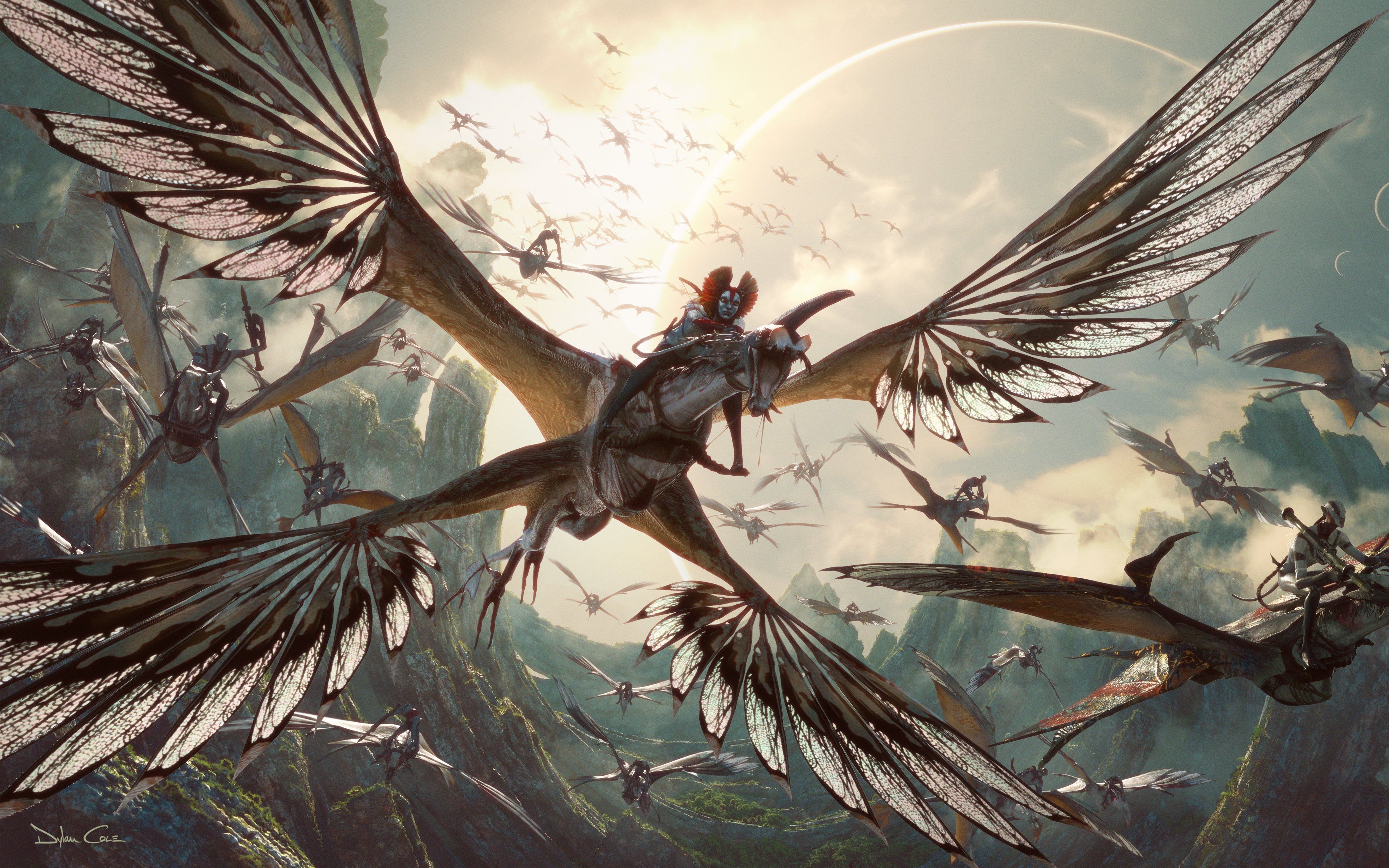

Avatar: Fire and Ash – When Pandora Loses Its Innocence
James Cameron returns to Pandora with Avatar: Fire and Ash, but this time, wonder takes a back seat to consequence. The film marks a darker, more emotionally demanding chapter—one that trades pure spectacle for grief, moral tension, and the lasting scars of war.
This is not the Pandora we once escaped to. It is a world shaped by loss.
A Story Born from Tragedy
The film opens in the aftermath of Neteyam’s death, a moment that fractures the Sully family at its core. Grief is no longer a passing emotion—it becomes the engine of the narrative.
Each character carries that pain differently:
- Jake Sully is torn between leadership and fatherhood
- Neytiri’s sorrow hardens into rage
- The children are forced to grow up before they are ready
They remain a family, but no longer a whole one.
The Ash People – A Different Face of the Na’vi
The most striking addition to the Avatar universe is the introduction of the Ash People, a Na’vi clan forged in fire and survival. Living in a brutal, volcanic environment, they challenge the long-standing image of the Na’vi as peaceful guardians of nature.
Led by Varang, a fierce and commanding presence, the Ash People are not portrayed as simple antagonists. Varang is driven by loss, shaped by suffering, and guided by a belief system where mercy is a luxury few can afford.
Their existence raises an uncomfortable question:
Were the Na’vi ever purely harmonious—or was that belief born from privilege?
Fire, Ash, and Moral Uncertainty
While earlier Avatar films centered on nature versus exploitation, Fire and Ash turns inward. The true conflict is no longer humans versus Na’vi, but ideology versus ideology, grief versus hope.
The film asks difficult questions:
- Is violence justified when survival is at stake?
- Can peace exist in a culture built on trauma?
- What is the cost of survival when morality becomes negotiable?
There are no clear answers, and the film is stronger for it.
A Darker, More Haunting Pandora
Visually, Avatar: Fire and Ash is as breathtaking as ever, but its beauty is scorched and subdued. Volcanic plains, burning forests, and ash-filled skies replace the vibrant blues and greens of earlier films.
Fire becomes a recurring symbol—of destruction, anger, and the possibility of rebirth.
Final Thoughts
Avatar: Fire and Ash is not just another sequel; it is a turning point. By embracing darker themes and moral complexity, the film expands the emotional and philosophical depth of the Avatar saga.
This is Avatar at its most mature—less about awe, more about consequence.
And that evolution may be exactly what Pandora needs to endure.
Avatar Timeline (click each entry to view details):
- 🌍 2009 → Avatar – Part 1
- 🌊 2022 → Avatar: The Way of Water